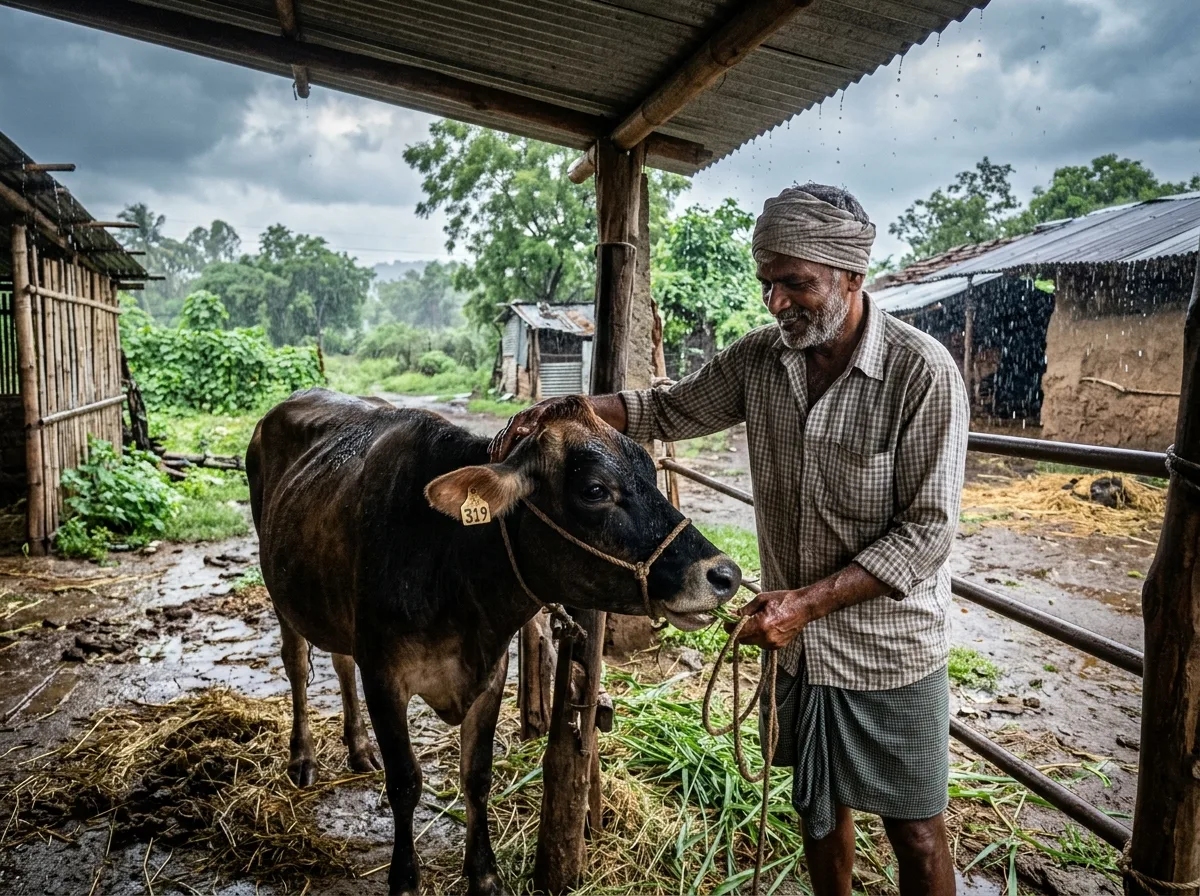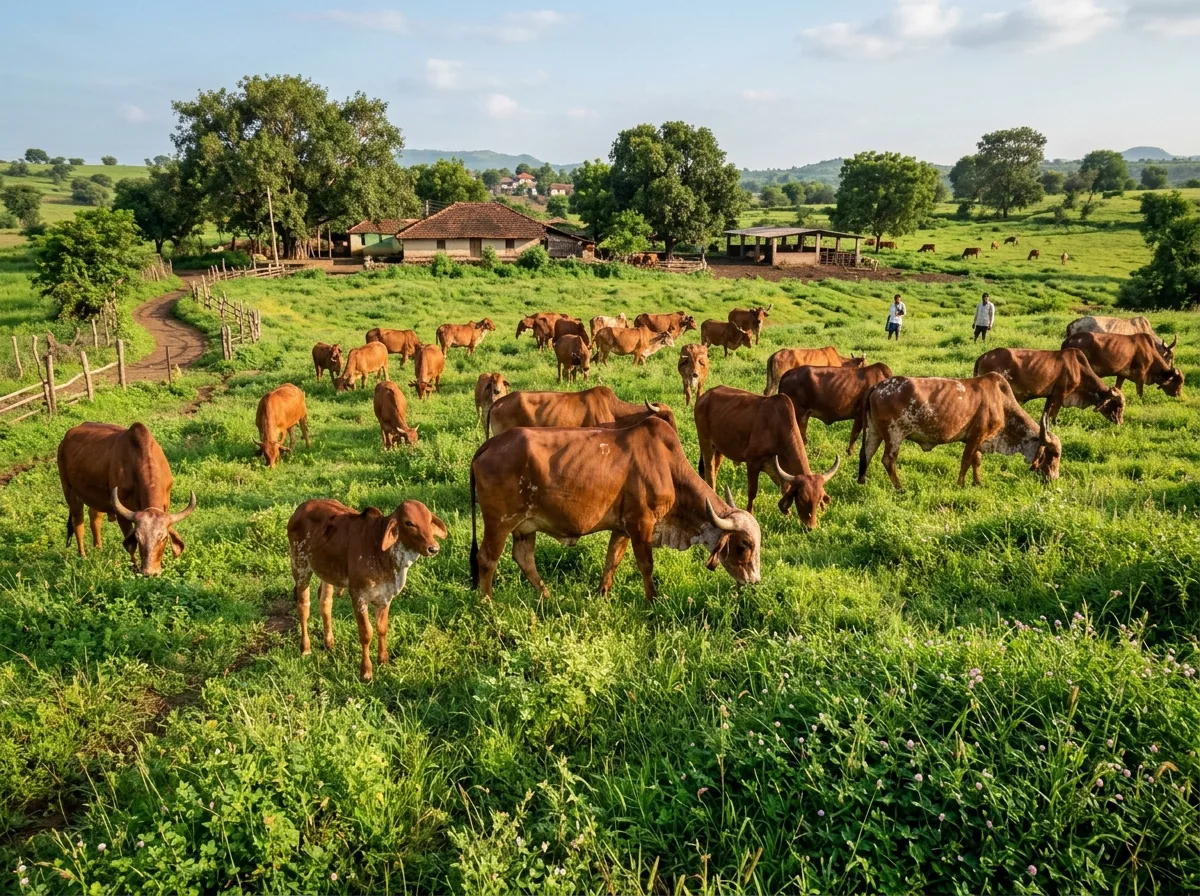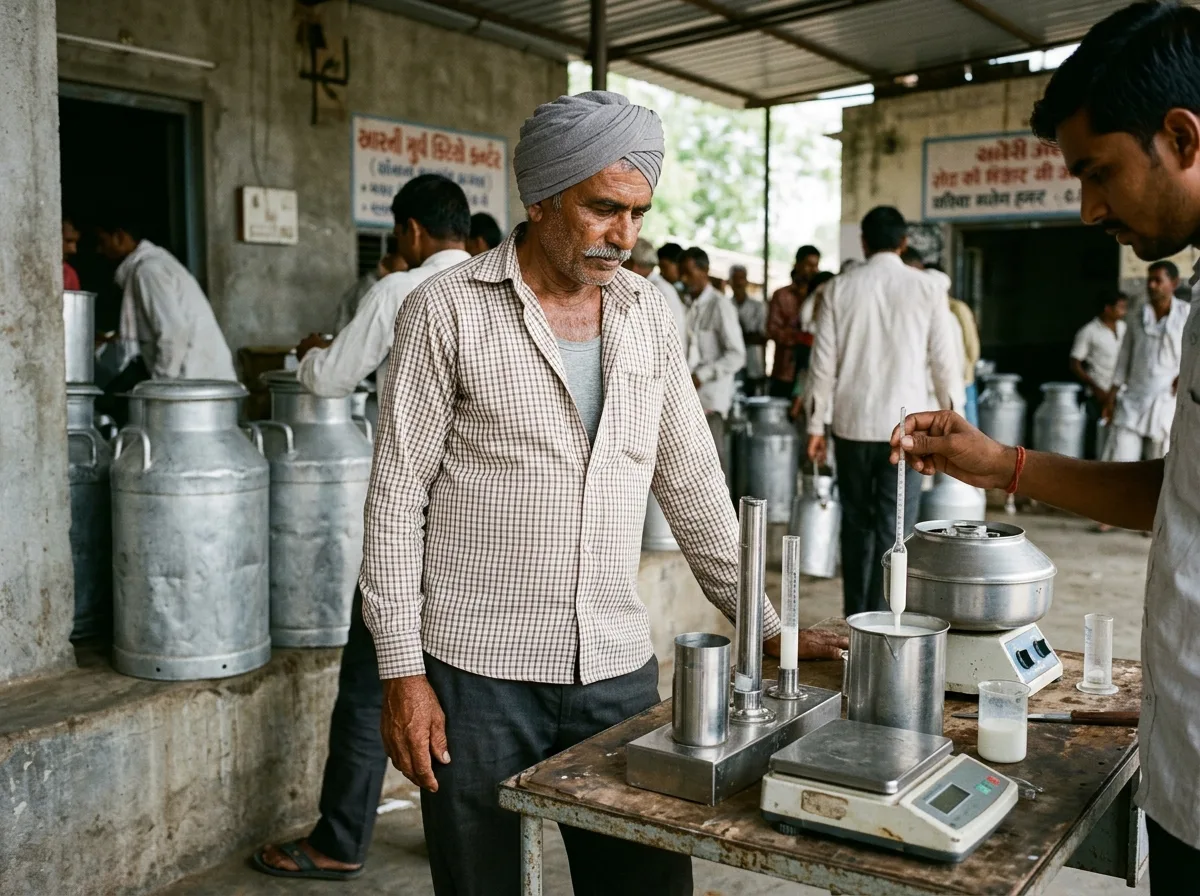
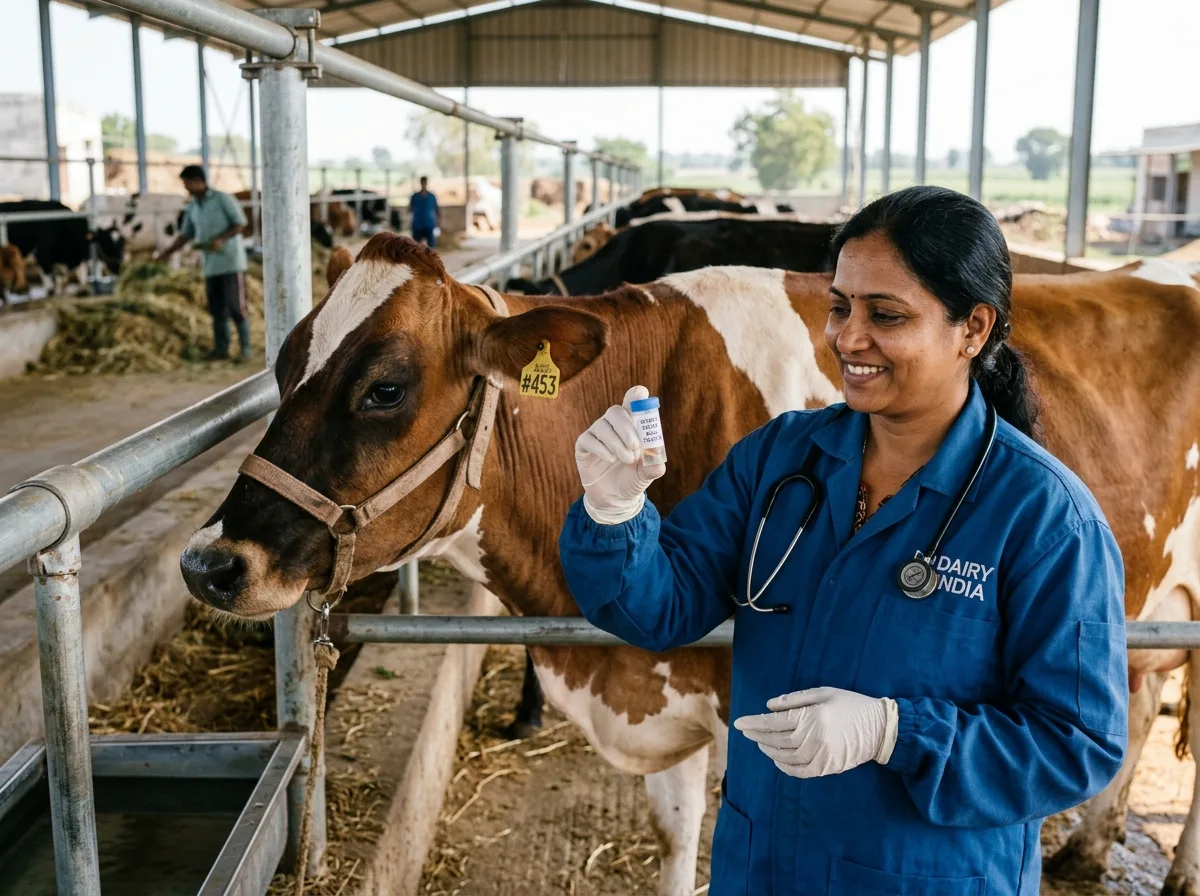
When a farmer in Rajasthan selects a Gir bull for breeding, they typically rely on observable traits — body conformation, milk records of the dam, local reputation. This has been the practice for generations. But in the last decade, a revolution in livestock genetics has begun to transform how dairy breeds improve — and how fast that improvement happens. Genomic selection is at the centre of that revolution.
What Is Genomic Selection?
Genomic selection is a method of predicting an animal's genetic potential — its Estimated Breeding Value (EBV) — by analysing thousands of genetic markers distributed across its DNA, rather than waiting years to observe actual performance in offspring.
Traditional breeding relied on the phenotypic performance of an animal and its relatives. The problem: you had to wait for daughters to lactate before you could reliably evaluate a bull's genetic worth. This took 5-7 years per generation. With genomics, you can estimate an animal's merit at birth, before any milk has been produced.
The Biology Behind the Method
Milk yield, fat percentage, protein content, somatic cell count, fertility, and longevity are all polygenic traits — controlled not by one gene, but by hundreds or thousands of genetic variants working in combination.
A SNP (Single Nucleotide Polymorphism) chip scans 30,000 to 800,000 marker positions across the genome. Each marker position has a known statistical association with one or more traits — an association derived from a large reference population of animals with both genotype data and complete performance records.
When a new animal is genotyped, its marker profile is compared against this reference database. A GEBV (Genomically Enhanced Breeding Value) is calculated — a prediction of how the animal's offspring will perform.
How Much Better Is It Than Conventional Methods?
| Factor | Traditional (Progeny Testing) | Genomic Selection |
|---|---|---|
| Time to evaluate a bull | 5-7 years (daughters must lactate) | Less than 1 year (at birth) |
| Accuracy of prediction | 0.70-0.80 for proven bulls | 0.60-0.75 for young bulls (rising) |
| Generation interval | ~6 years | ~2-2.5 years |
| Genetic gain per year | Baseline | ~1.5-2x faster |
| Cost to genotype | High (indirect via daughters) | Rs 3,000-8,000 per animal |
The Generation Interval Advantage
The most powerful practical benefit of genomic selection is the reduction of generation interval — the average age of parents when their offspring are born.
In conventional progeny testing, you wait for daughters to complete one or more lactations before the sire is proven. With genomics, young bulls with high GEBVs can be used immediately, with their full-sibling sisters potentially entering the breeding pool within 14-16 months of birth.
This has a compounding effect. The formula for annual genetic gain is: Genetic Gain per Year = (Accuracy x Genetic Variation) / Generation Interval. By halving the generation interval, you nearly double the rate of genetic improvement.
Indigenous Breeds and the Indian Context
The adoption of genomics for exotic breeds (Holstein Friesian, Jersey) has been dramatic. But for Indian indigenous breeds like Gir, Sahiwal, Kankrej, Rathi, and Tharparkar, the journey has been slower — and the opportunity is significant.
India holds the world's largest bovine population, with a substantial share comprising indigenous breeds that are prized for their A2 milk genetics, heat tolerance and disease resistance in tropical conditions, feed efficiency in low-input farming systems, and suitability for organic and premium dairy markets.
However, indigenous breed genomics faces a core challenge: the reference population. Genomic prediction accuracy scales with the size and quality of the reference database. For Holsteins, millions of animals have been genotyped. For Gir or Kankrej, the reference populations are still being built.
What a Genomic Profile Tells a Farmer
A genomic evaluation report for a dairy animal typically includes predicted values across multiple traits. For milk production traits: predicted milk yield in litres per lactation, fat percentage, protein percentage, and somatic cell score. For functional traits: productive life (longevity), fertility rate, calving ease, and heat tolerance index.
Each trait value comes with a reliability percentage — a measure of how confident the prediction is based on current reference population size. A young genomically evaluated Gir bull might have 60% reliability on milk prediction today; as the reference population grows, that reliability will approach 75-80%.
The Path Forward
Genomic selection for Indian dairy breeds is not a future technology — it is happening now, being deployed by institutions, breed societies, and agtech companies building the data infrastructure that will underpin India's next generation of dairy genetics.
As reference populations expand, as phenotyping becomes more standardised, and as on-farm data capture improves, genomic prediction accuracy will rise. The generation interval will continue to compress. And the genetic merit of India's indigenous dairy breeds will improve at a pace that has never been seen before.
For farmers, breeders, and policymakers, the imperative is the same: invest in the data. Every performance record entered, every animal genotyped, every lactation correctly measured adds to the foundation that makes genomic selection more powerful for every future generation.